
 By
By 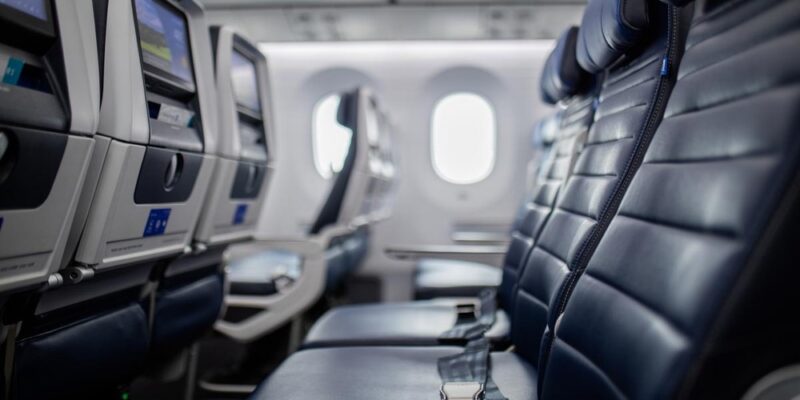
Remember, no dust piles in those special places you sit passengers, breathe the air you see cabin panels clean and neat storage compartments organized. What many are unaware about, however, is the multitude of disparate aircraft interior parts working backstage to work in concert to create a safe and efficient atmosphere in cabin.
These are critical elements in the operation of every kind of aircraft, from commercial airlines to private jets and the passenger experience.
More Than Just Cabin Features
The interior of an aircraft is specially designed for comfort, safety, and durability. An aviation’s experience comes from providing every piece of an aircraft, which has to adhere to rigorous aviation regulations and must function properly for thousands of flight hours.
Common aircraft interior parts include:
- Passenger seats
- Tray tables
- Overhead storage bins
- Cabin panels
- Armrests
- Lavatory components
- Lighting systems
- Galley equipment
All the pieces come together to add functionality to the cabin of an aircraft.
Why Quality Matters?
Aircraft operate in demanding environments. The interior parts are exposed to frequent friction, temperature modulation from the A/C and heater, vibration from acceleration, and ride quality testing during validation, and general wear-and-tear element during fixing.
High-quality interior aircraft parts are an all-in-one source for operators trying to accomplish various goals:
Enhanced Passenger Experience
A passenger is engaged with its cabin features for much of its journey. Well-designed interiors lead to a calmer and professional experience of travelling.
Improved Operational Reliability
On the other hand, less replacement and repairs are required from long-lasting materials. This assists maintenance teams to make aircraft serviceable.
Regulatory Compliance
Every internal part has to be aviation safe. Operators rely on reliable aircraft interior parts to remain compliant with industry regulations.
The Importance of Replacement Parts
The sturdiest cabin components need substitution in some time. Wear and tear cause a deterioration of cosmetic, functional and performance traits.
Standardized cabin specifications across fleets are enabled by access to reliable suppliers of aircraft interior parts for maintenance.
This is very crucial when aircraft go in for non-routine inspections, cabin upgrades, or refurbishment projects.
Supporting Modern Aircraft Fleets
With aircraft cabins continuously evolving, operators are looking for componentry that provides a balance of performance alongside passenger expectations. As mentioned earlier, modern day aircraft interior parts are designed to provide support for:
- Greater durability
- Improved cabin aesthetics
- Better passenger comfort
- Easier maintenance procedures
- Long-term operational value
These influences allow the airlines and aviation providers to provide a competitive and efficient service.
Choosing the Right Supply Partner
Aviation parts buying needs domain knowledge, experience in the supply chain. Operators frequently deal with established suppliers that offers variety of aircraft interior components across different aircraft platforms.
This is where companies like PROPONENT come in and offer assistance to aviation organizations by helping them source the various cabin components required so that aircrafts can be kept operational.
FAQs
Q: What are aircraft interior parts?
A: Aircraft interior parts refer to elements fitted in the cabin of an aircraft, including seats, panels, and storage units, as well as lighting systems and other features facing the passengers directly.
Q: Why are aircraft interior parts important?
A: Caters for passenger comfort, functionality of onboard facilities, operational reliability and adherence to safety standards.
Q: How frequently are aircraft interior components changed out?
A: Replacement schedules are based on usage, maintenance basics, aircraft type and health of components throughout the various stages.
Conclusion
Various aircraft interior parts have to function well with each other for the cabin environment. Aviation operators that achieve and/or source quality components can be counted on to deliver on safety, comfort, and extended fleet performance in the long-term while fulfilling passenger and regulatory expectations.





Comments