
 By
By 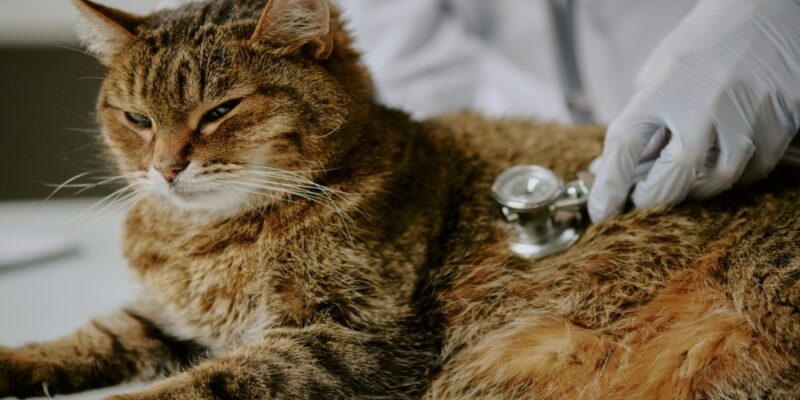
Cats are better at concealing illness than almost any other companion animal. By the time an owner notices something is obviously wrong, the underlying disease has often been progressing for months, which is why veterinarians who work with feline patients tend to rely more heavily on screening than on presenting complaints. Practices like Douglas Animal Hospital in Osseo, which serves a large feline caseload across the northern Twin Cities, see the same pattern again and again: a cat that “seemed fine” turns out to have lost a third of its kidney function, or a quarter of its body weight, without the owner noticing the gradient. The useful question is why this happens, and what the reliable early signals actually look like.
The Evolutionary Reason Behind the Behavior
Dogs evolved as social pack animals. Signaling injury or illness to the pack produced help, or at least sympathy. Cats evolved as solitary hunters who were themselves prey for larger predators, and in that context showing weakness was a serious liability. A cat with an obvious limp or visible discomfort was a target.
Domestic cats have retained those instincts almost entirely intact. Even in the safety of a living room, a cat with significant pain or illness will often compensate internally for weeks, shift its routine subtly to avoid exerting the affected area, and disappear to a quiet spot rather than vocalize. The behavior is not a quirk. It is the default.
The Diseases That Typically Get Caught Too Late
Four conditions account for most of the “sudden” diagnoses in middle-aged and senior cats, and none of them are actually sudden.
Chronic kidney disease affects roughly a third of cats over ten. By the time the classic signs (increased thirst, increased urination, weight loss) become obvious, about 75 percent of kidney function has already been lost. Hyperthyroidism, the most common endocrine disorder in older cats, often hides behind an apparently robust appetite (“she’s eating great”) while the cat slowly loses weight and muscle. Diabetes mellitus progresses through weeks of subtle changes before a diabetic crisis brings it to attention. Feline arthritis is present in up to 90 percent of cats over twelve on imaging studies, but it almost never shows as limping. Cats with arthritis change their behavior instead, hesitating before jumps, choosing lower perches, and grooming less than they used to.
Urethral obstruction in male cats deserves separate mention because it is genuinely acute and immediately life-threatening. A male cat straining in the litter box, producing little or no urine, and vocalizing needs same-day emergency care.
The Subtle Signs Worth Watching For
The useful observations are mostly patterns in routine behavior rather than obvious symptoms.
Water bowl visits that increase or decrease over weeks. Litter box changes: larger clumps, smaller clumps, more frequent trips, straining, or going outside the box. Food intake that seems “fine” but has actually shifted up or down. A cat that used to jump onto the kitchen counter in one motion now making it in two, or choosing the couch instead. Sleeping in new spots, usually lower or more hidden ones. Grooming that has either tapered off (producing a slightly unkempt coat) or intensified over a single painful area. Weight loss of a pound in a ten-pound cat is a 10 percent loss, which is clinically significant and rarely visible through fur.
One often-overlooked metric is resting respiratory rate. A sleeping or calm cat should be breathing fewer than 30 breaths per minute. A sustained rate above that, especially combined with any other change, is a reason to call a veterinarian promptly because it can point to heart or respiratory disease.
Why Indoor and Multi-Cat Households Make It Harder
Indoor-only cats are protected from many risks but also invisible in ways outdoor cats are not. An owner cannot see unusual urination patterns if everything happens in a covered litter box, and a cat vomiting occasionally in an unseen corner may have chronic disease that takes years to get a name.
Multi-cat households compound the problem. Tracking which cat drank from which bowl, which used the litter box most recently, or which cat actually ate versus watched the other eat is difficult. Veterinarians often recommend periodic isolation of a suspected cat for a day or two, confined to one room with its own food, water, and litter, to establish a baseline. It is awkward but informative.
Why In-House Lab Work at Practices Like Douglas Animal Hospital Changes Senior Cat Visits
The American Association of Feline Practitioners recommends twice-yearly wellness visits for cats over ten, largely because so much can shift over six months in an older cat. Those visits are most productive when bloodwork and a urinalysis are run the same day rather than returned later in the week.
Practices with in-house laboratories, Douglas Animal Hospital among them, can run a senior wellness panel (complete blood count, chemistry, T4 thyroid level, and urinalysis) during the appointment. The veterinarian reviews the results with the owner before the cat goes home, which allows immediate discussion of changes and, when something comes back abnormal, a same-day plan rather than a “we’ll call you Thursday” holding pattern. For a species that already hides disease aggressively, that compressed diagnostic window is worth more than it sounds.
The Short Version
Cats conceal illness by design, which means the most useful thing an owner can do is notice the pattern changes most people dismiss: water bowl visits, litter box habits, sleeping spots, jumping confidence, and subtle weight shifts. Twice-yearly exams with same-day bloodwork catch what home observation misses. For cat owners across Osseo, Maple Grove, Brooklyn Park, and Champlin, practices like Douglas Animal Hospital build senior screening into routine care because the alternative, waiting for symptoms a cat is genetically programmed not to show, usually ends in a diagnosis that could have been caught years earlier.






Comments